



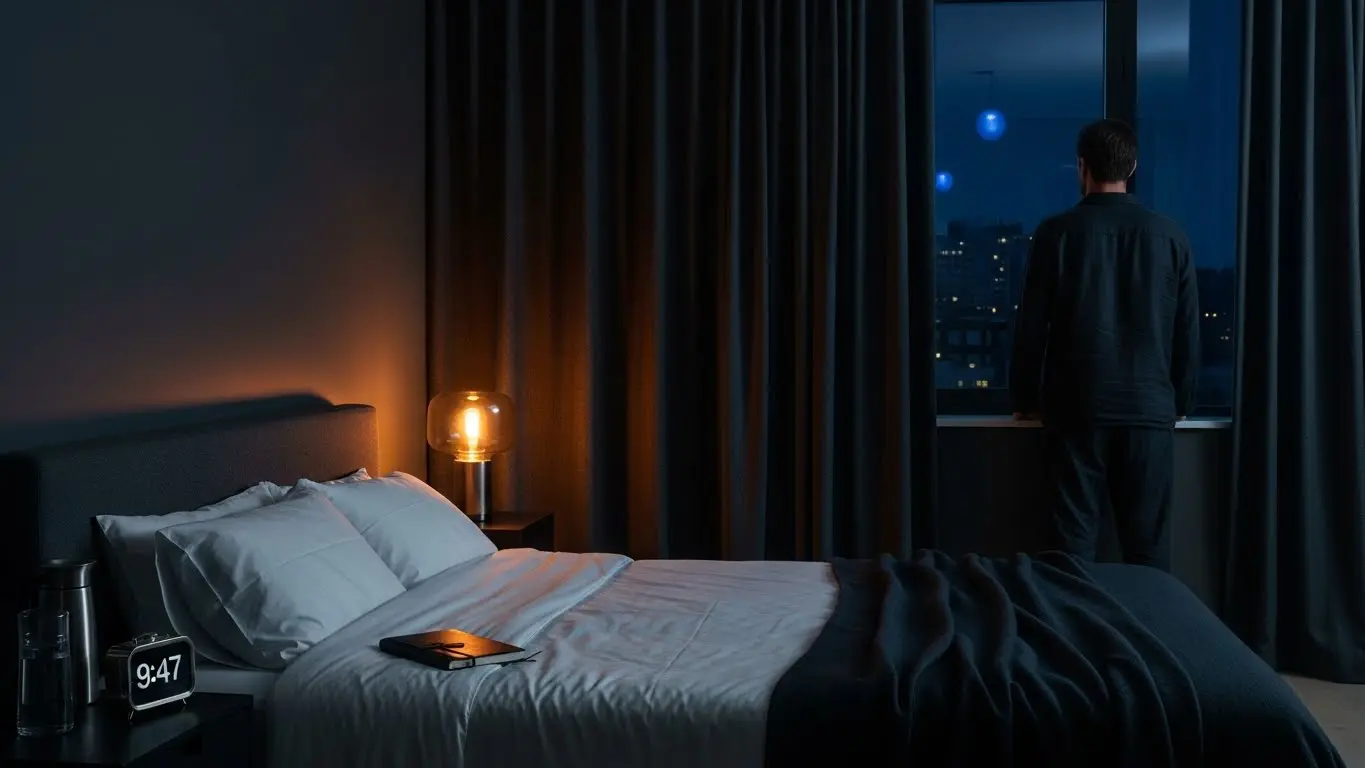

Every man who performs at the highest level understands one truth. Sleep is not a luxury. It is the foundation of everything else. Without seven to eight hours of quality rest each night, decision-making suffers, mood declines, and physical recovery stalls. Top chief executives and elite military personnel have long recognised this. They follow structured protocols to reclaim the deep, restorative sleep of their younger years. This nine-step night protocol draws directly from their practices. It combines the disciplined routines of business leaders with the rapid relaxation methods of special operations forces. Follow it consistently, and you will wake with the clarity and energy of a man in his prime.
The evidence is clear. Studies show that maintaining a regular sleep schedule improves cognitive function and reduces stress. Special forces units emphasise techniques to fall asleep under pressure. Chief executives guard their evenings with the same precision they apply to boardroom strategies. This protocol requires no expensive equipment. It demands only commitment. Begin tonight.
Step 1: Synchronise Your Internal Clock
Consistency forms the core of any effective sleep routine. Go to bed and wake up at the same time every day, including weekends. This aligns your body’s circadian rhythm, the internal clock that regulates sleep and wakefulness.
Chief executives like Tim Cook of Apple adhere to this strictly. He retires at 9:30 p.m. and rises at 3:45 a.m., securing seven hours without deviation. Such schedules prevent the misalignment that disrupts hormone production and energy levels. Research from the National Sleep Foundation confirms that regular timings enhance overall health and performance.
Set your bedtime to allow at least seven hours before your alarm. If you cannot sleep within twenty minutes, leave the bed for a quiet activity like reading. Return only when drowsy. Over time, this trains your body to associate bed with rest. Special forces personnel use similar anchors during missions, where irregular hours are common. They prioritise fixed sleep windows whenever possible to maintain alertness.
Start by tracking your current patterns for a week. Adjust gradually, shifting by fifteen minutes each night until you hit your target. The result is deeper sleep cycles and sharper mornings.
Step 2: Engineer Your Sleep Environment
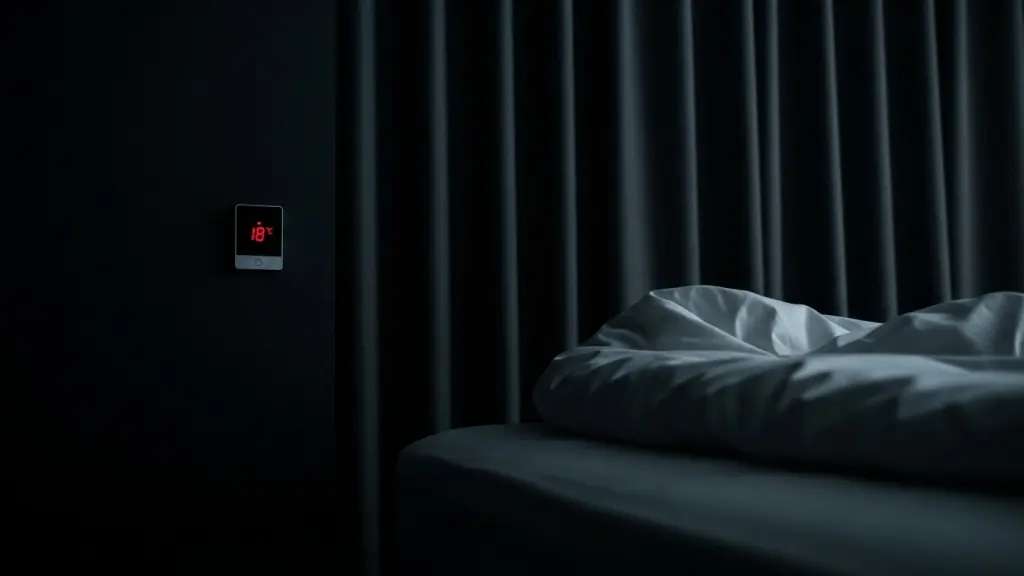
Your bedroom must become a dedicated space for recovery. Keep it cool, dark, and quiet. Aim for a temperature between 18°C and 20°C, as this range promotes melatonin release, the hormone that signals sleep.
Harvard Health experts recommend reducing noise with heavy curtains or a white noise machine playing sounds like rainfall. Block light entirely using blackout shades. Replace uncomfortable mattresses or pillows that cause tossing and turning. Use the room solely for sleep and intimacy, banning work materials and electronic devices.
Many chief executives treat their bedrooms like optimised performance chambers. They eliminate clutter and ensure zero distractions. Special forces training manuals stress similar environmental control during rest periods in the field, where makeshift setups mimic these conditions to maximise limited downtime.
Invest in breathable bedding from natural fibres. Position your bed away from windows if street noise intrudes. These small changes yield significant gains. Studies indicate that a optimised environment can increase sleep efficiency by up to twenty percent.
Test your setup. Lie down and assess for discomfort. Adjust until the space feels inviting and serene.
Step 3: Practice Light Discipline
Light exposure dictates your sleep quality. Begin each day with ten to twenty minutes of natural sunlight to reset your circadian rhythm. This boosts alertness and mood throughout the hours ahead.
In the evening, dim lights and avoid blue wavelengths from screens. These mimic daylight and suppress melatonin. Chief executives often implement a digital sunset, powering down devices an hour before bed. Research supports this, showing that evening light delays sleep onset.
Special forces operatives, trained to adapt to variable conditions, use red-tinted lights in low-visibility scenarios to preserve night vision without disrupting rest cycles. At home, switch to warm, amber bulbs in lamps.
Gradually reduce brightness as bedtime approaches. If you must use a device, enable night mode filters. This discipline ensures faster sleep initiation and deeper restorative phases.
Step 4: Eliminate Sleep Stealers in Diet and Substances
What you consume affects rest profoundly. Avoid caffeine after midday, as its effects linger for hours. Nicotine and alcohol also interfere. Alcohol may induce drowsiness initially but fragments sleep later, reducing rapid eye movement stages essential for memory.
Mayo Clinic guidelines advise finishing evening meals at least three hours before bed. Steer clear of heavy or spicy foods that cause discomfort. Chief executives like Elon Musk cut caffeine entirely in the evenings. Special forces protocols warn against stimulants during pre-rest windows to maintain operational readiness.
Limit alcohol to moderate amounts earlier in the day if at all. Hydrate with water but taper off to prevent nighttime awakenings. Evidence from sleep studies links these habits to fewer disruptions and higher energy the next day.
Audit your intake. Note how late coffee or wine impacts your nights. Eliminate offenders one by one.
Step 5: Include Physical Activity Timed Correctly
Regular exercise enhances sleep depth. Aim for at least thirty minutes most days, but finish well before bedtime. Activity too close to rest elevates core temperature and adrenaline, delaying onset.
Johns Hopkins Medicine research confirms that consistent physical effort shortens time to fall asleep and improves quality. Chief executives incorporate morning or afternoon workouts to align with their schedules. Special forces training includes structured fitness to build resilience, with rest factored in.
Choose moderate efforts like walking, weights, or cycling. Even ten minutes daily yields benefits. Outdoor time adds light exposure bonuses from step three.
Track how timing affects your nights. Shift sessions earlier if needed. The payoff is sustained energy and better performance.

Step 6: Downshift with a Calming Routine
After a demanding day, transition deliberately. Reserve the hour before bed for unwinding. Put away devices and engage in low-stimulation activities.
Chief executives like Bill Gates read physical books under soft light. Others, such as Richard Branson, relax with family. Business leaders report that this buffer eases the shift from work mode.
Harvard Health suggests warm baths, gentle stretches, or deep breathing. Special forces use similar wind-downs in high-stress environments to signal recovery.
Build your sequence. Perhaps tea, light reading, or meditation. Consistency reinforces the cue. This step reduces mental chatter and prepares the body for rest.
Step 7: Offload Tomorrow’s Thoughts
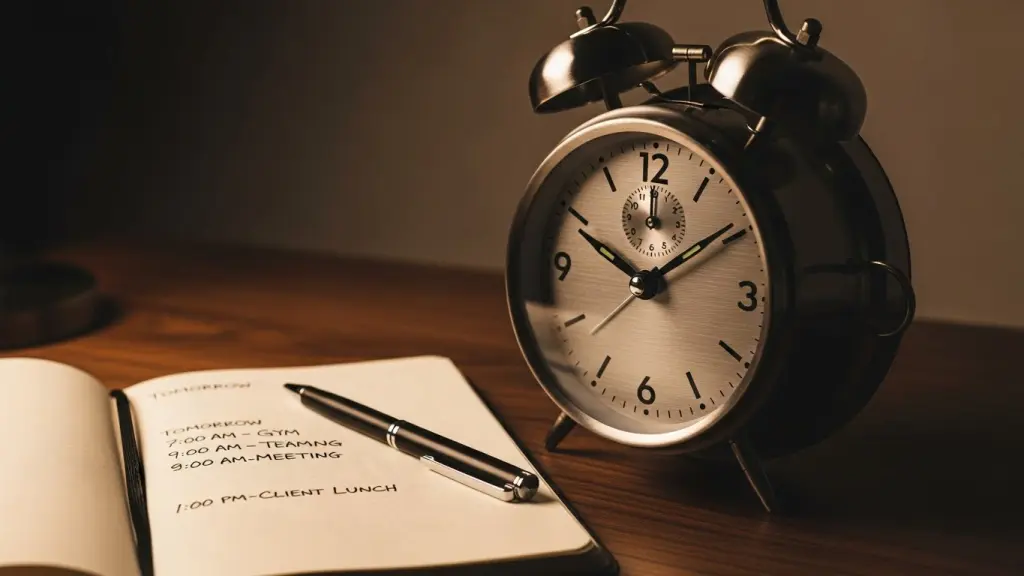
Clear your mind before lying down. Jot down lingering tasks, ideas, or worries. This prevents rumination that prolongs wakefulness.
Forbes highlights how chief executives journal or create voice notes to externalise thoughts. Mayo Clinic recommends setting priorities aside until morning. Special forces personnel, facing intense missions, use mental checklists to compartmentalise.
Spend ten minutes listing three accomplishments and three priorities for tomorrow. Close the notebook. Evidence shows this reduces anxiety and speeds sleep onset.
Make it habitual. Place a notepad by your bed. The mental relief is immediate.
Step 8: Master Progressive Relaxation Techniques
Once in bed, relax systematically. Breathe deeply and release tension from head to toe. This method, used by special forces, promotes rapid sleep.
The military sleep technique begins with closing eyes and slow breaths. Relax facial muscles, then neck, shoulders, arms, torso, and legs. Visualise calm scenes like a serene lake or dark hammock. Repeat “don’t think” if thoughts intrude.
Verywell Mind notes its basis in proven methods like progressive muscle relaxation and biofeedback. SAS soldiers employ similar steps to sleep in two minutes under duress.
Practice nightly for six weeks. Chief executives adapt elements for stress management. Benefits include lower heart rate and faster melatonin production.
Focus on each body part. Let go fully. Sleep follows naturally.
Step 9: Monitor and Adjust Your Progress
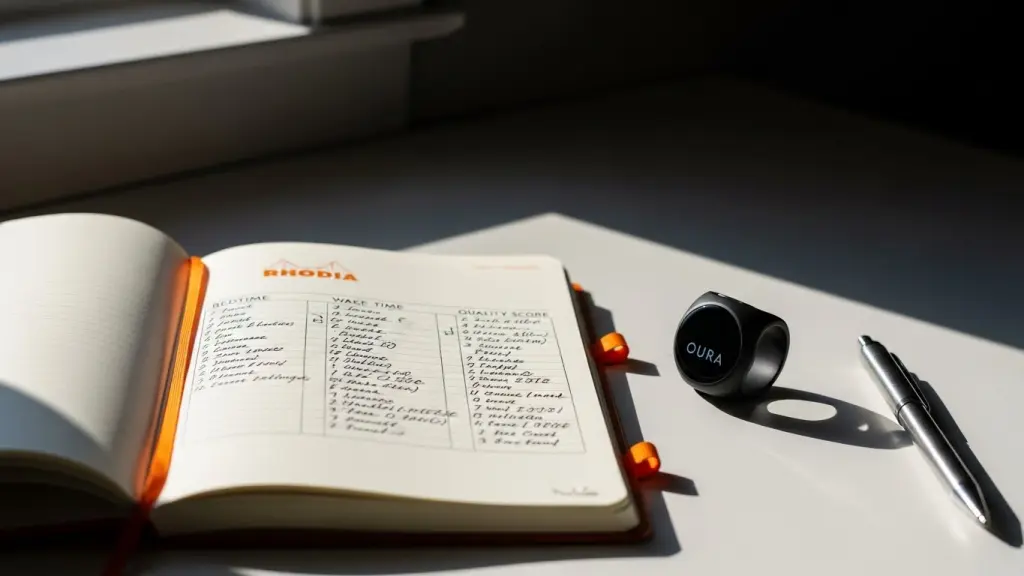
Track your sleep to refine the protocol. Keep a diary noting bedtime, wake time, quality, and influencing factors like caffeine or exercise.
Harvard Health advises two weeks minimum to spot patterns. Chief executives use wearables to monitor heart rate variability and cycles. Special forces manuals emphasise logging for operational optimisation.
Review weekly. Adjust based on data. If awakenings persist, revisit diet or environment.
Apps or simple notebooks suffice. This step ensures long-term success. Studies link monitoring to sustained improvements.
Commit to review. Your sleep will optimise over time.
Implementing this protocol transforms nights. Chief executives and special forces thrive on it. Persistence pays. Within weeks, you will sleep deeply and rise ready. Reclaim that youthful vitality. Your performance depends on it.



