



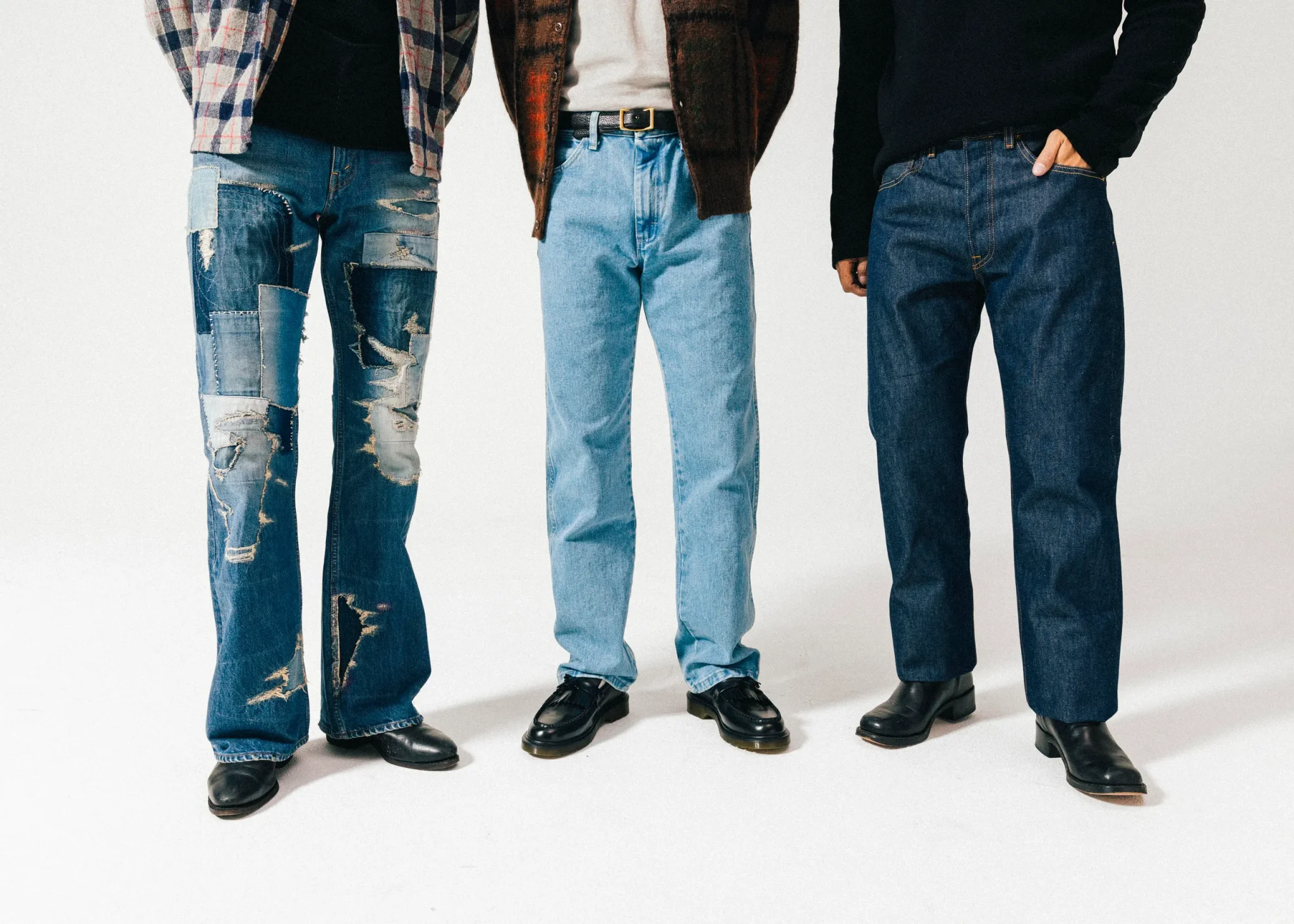

The slim jean reigned unchallenged for almost fifteen years. From 2008 to 2023 it was the default choice for any man who wanted to look contemporary. Then, almost overnight, it disappeared from every credible runway, every influential street-style feed and every well-dressed wardrobe worth studying. In 2025 the message is unambiguous: the era of ankle-strangling, spray-on denim is over. What has replaced it is not a single trend but a clearer, more mature set of proportions that prioritise comfort, longevity and genuine versatility.
Rule 1: The Leg Must Have Air
The new silhouettes all share one principle: the thigh and knee must have measurable breathing room. Three cuts now dominate.
- Straight: a uniform width from hip to hem, typically 18–20 cm at the knee and 17–19 cm at the leg opening on a 32-inch waist.
- Relaxed Tapered: generous through the seat and thigh (often 32–34 cm at upper thigh), then gently narrowing to 16–18 cm at the hem.
- Wide: 22 cm or more at the hem, with a high rise and deep single or double pleats for movement.
Anything narrower than 16 cm at the hem on a size 32 now reads as dated, regardless of the wash or brand.
Rule 2: Rise Has Replaced Stretch as the Comfort Factor
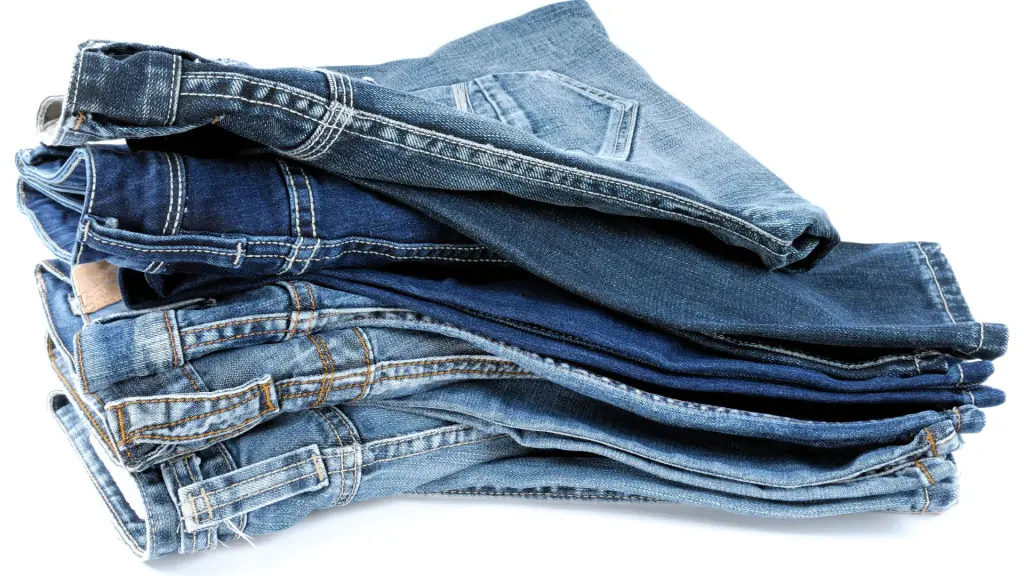
Stretch denim, once celebrated for its second-skin feel, has fallen from favour among serious makers. The new comfort comes from geometry rather than elastane. High-rise and mid-rise cuts (10.5–12 inches front rise) allow the waistband to sit at the natural waist, eliminating the need for Lycra while preventing the belt-line sag that plagued low-rise slim jeans. The best mills – Kuroki, Nihon Menpu, Candiani, and Collect – have largely abandoned heavy stretch blends in their premium lines.
Rule 3: Weight Matters More Than Ever
Lightweight
Lightweight 10–12 oz denim is acceptable only for warm climates and tailored five-pocket trousers. For year-round wear in temperate zones, 13.5–15 oz is the new standard. Anything heavier than 16 oz is reserved for dedicated workwear or heritage reproductions. The sweet spot for most men is 14–14.75 oz Japanese selvedge or Italian ring-spun denim: substantial enough to hold a crease and develop character, light enough to wear untucked with a blazer.
Rule 4: Washes Must Look Intentional, Not Accidental
The over-distressed, factory-shredded look of the 2010s has been retired. Current washes fall into three acceptable categories.
- Raw or once-washed dark indigo: the default for longevity and personal fade patterns.
- Mid-blue rinse: even colour, no whiskering, no honeycombs, no sandpaper.
- Clean black: sulphur-dyed or over-dyed indigo that holds its depth for years.
Anything with pre-fade “stacking” at the hem, artificial abrasion on the thighs, or bleach spots is now considered costume.
Rule 5: Details Must Be Subtle and Functional
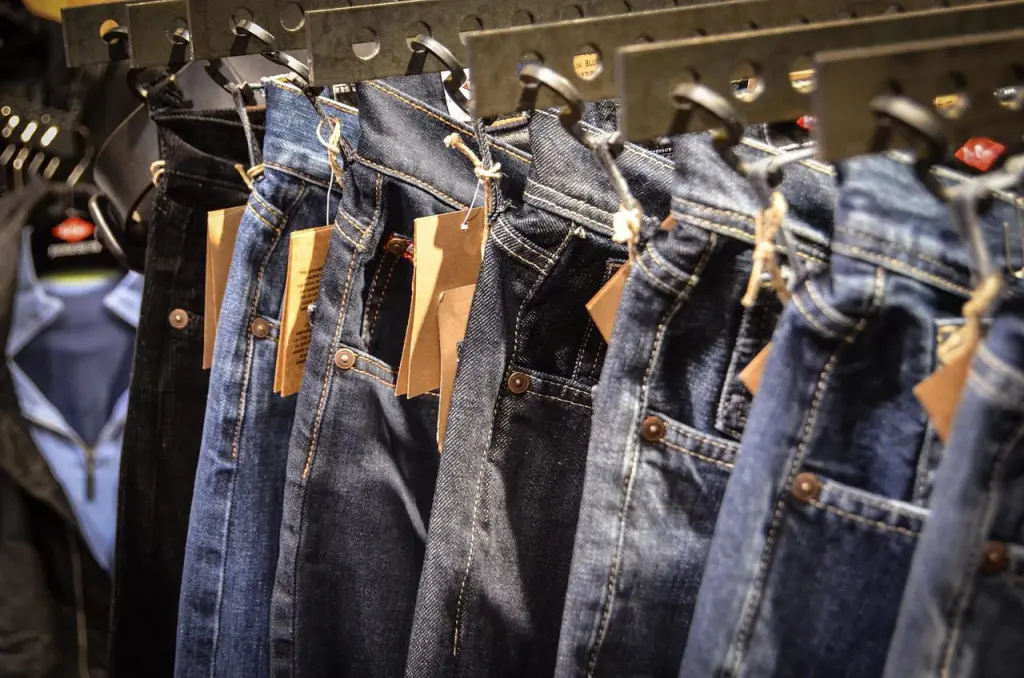
Visible branding on the back patch is tolerated only if it is leather and discreet. Arcuate stitching on back pockets should be tonal or invisible. Selvedge is appreciated but no longer paraded with dramatic turn-ups; a modest 2–3 cm cuff is sufficient. Rivets remain copper or silver, never painted or oversized. The coin pocket must be usable, not decorative.
Rule 6: Hemming Is Permanent
The break – the point where trouser meets shoe – has replaced stacking as the key styling detail. Three breaks are acceptable.
- No break: hem kisses the top of the shoe; works with loafers and minimal trainers.
- Quarter break: slight dimple; ideal with oxfords and derbies.
- Half break: moderate fold; best with boots and heavier footwear.
Cropped flood pants with four inches of ankle on show are finished.
Exemplar Jeans for 2025
- Orslow 105 Standard – 14 oz Japanese selvedge, mid-rise, perfect straight leg. $325
- Drake’s Games Selvedge Denim – 14.5 oz Kuroki mills, relaxed tapered, tonal stitching. $395
- RRL Straight Fit Selvedge – 13.75 oz, high-rise, minimal branding, American construction. $440
- A.P.C. New Standard – 14.5 oz raw Japanese denim, now offered only in the original roomier 2002 cut. $265
- Blackhorse Lane NW1 Relaxed Taper – 14 oz organic E5 selvedge, London-made, lifetime repair guarantee. $340
- Loro Piana Cashco Denim Five-Pocket – cashmere-cotton blend, soft hand, tailored wide leg. $750
How to Wear the New Denim
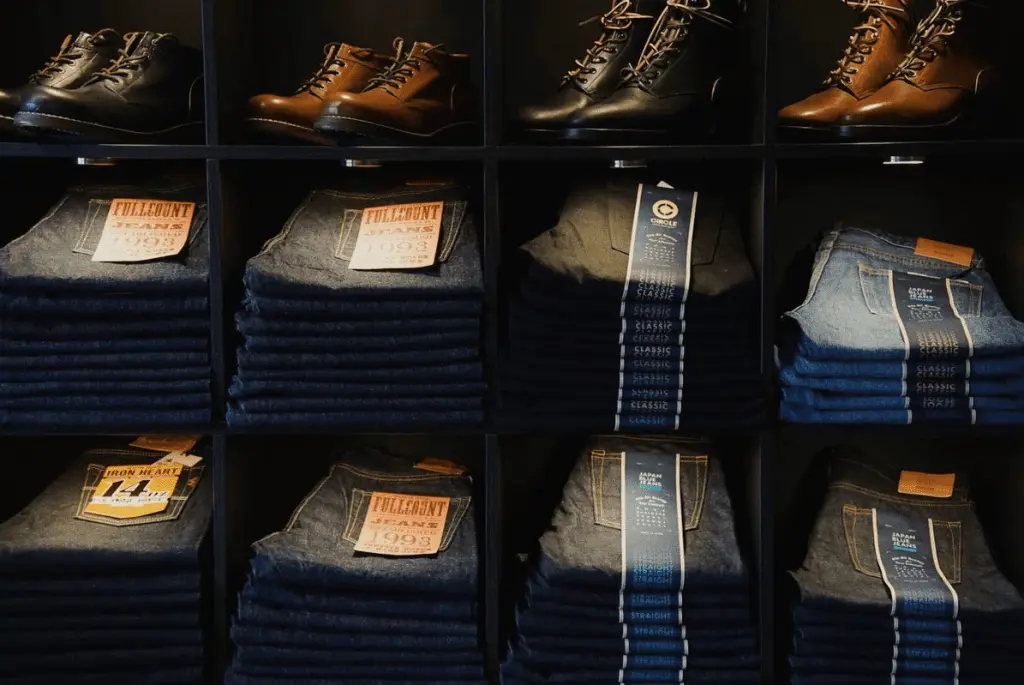
The beauty of the new proportions is their range. A dark raw straight jean now functions where slim black denim once did: with a charcoal roll-neck and chelsea boots for dinner, with a navy peacoat and scarf for weekend travel, with a crisp white oxford and suede loafers for creative offices. A mid-blue relaxed tapered pair replaces chinos entirely in spring and autumn, worn with a linen shirts or lightweight merino knits. Even the widest cuts read as deliberate when the rest of the outfit is restrained: camel topcoat, oatmeal crew neck, tobacco suede boots.
The Financial and Environmental Mathematics
A $350 pair of Japanese selvedge jeans, worn twice a week for five years (520 wears), costs $0.67 per wear and develops a unique patina that increases emotional value. A $79 stretch slim jean from a fast-fashion chain, discarded after 80 wears, costs $0.99 per wear and ends its life in landfill. The higher initial outlay is not indulgence; it is simple arithmetic.
The slim jean had its moment. It made men aware of fit and introduced an entire generation to selvedge and raw denim. Its departure is not fashion’s whim but evolution. The new rules are not rules at all; they are the logical conclusion of fifteen years of experimentation. Wear denim that moves with you, ages with you, and never forces you to choose between comfort and polish. The result is quieter, calmer and considerably more powerful than anything the 2010s offered.